
According to a survey by AARP, 81% of seniors of age 60 to 69 years own a smartphone while 62% of those 70 and older are smartphone users. The share of smartphone use among older adults has increased rapidly in the past decade as there were only 13% smartphone users of 65 years or older in 2012.
As the share of senior smartphone users grows, companies and developers are making more efforts to make smartphones accessible to seniors. Seniors now have access to smartphones with accessibility options to simplify menus and enlarge text and icons to make them senior-friendly and easy to use. There is a huge variety of apps and games that have been designed specifically for seniors and the elderly.
If you are a senior looking for how to guide on smartphones, this article will help you on why you should embrace smartphones and provide
- 10 Benefits of Smartphones for Seniors
- 5 Ways to Set Up a Smartphone for Seniors
- How to Use a Smartphone for Seniors (Including books and Smartphone tutorial for seniors)
How are the seniors using their smartphones? The key findings of different surveys suggest:
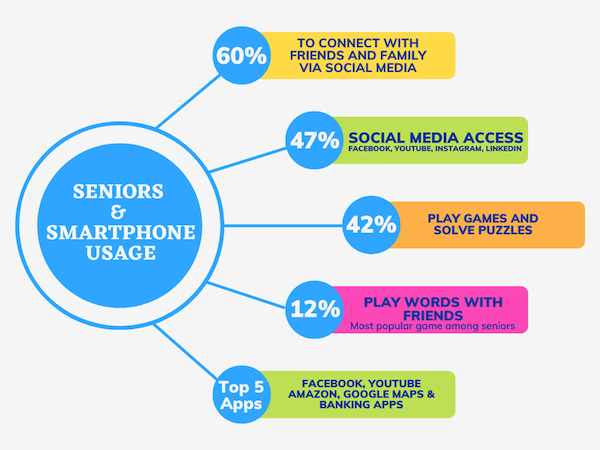
- Staying Connected: The majority use smartphones to stay connected with family and friends through phone calls, text messaging, WhatsApp, emails etc. 60% of seniors use social media networks to connect with friends and family.
- Navigating the Web and Finding Directions: Seniors also use smartphones to browse websites and search for directions using Google Maps.
- Social Media Access: 47% use their smartphones for social media access including YouTube, Facebook, Instagram and LinkedIn etc
- Playing Games: 42% of older adults use their smartphones to play games and solve puzzles. Words with Friends is a commonly mentioned game app among seniors.
- Commonly used apps: Facebook, YouTube, Amazon, Google Maps and banking apps are the most used apps among seniors.
(statistic from A deep dive into seniors and smartphone usage)
Smartphones provide many features to assist seniors with daily life activities. Let us discuss some of the advantages of owning a smartphone for older adults.
10 Benefits of Having a Smartphone for Seniors
Before looking at the ways to set up a smartphone for seniors and discussing how to use a smartphone for seniors, let us share some benefits of using a smartphone for older adults.
1. Staying Connected
The primary advantage of owning a smartphone is to be able to stay connected with family and friends. While a simple cellphone enables you to stay in contact with your loved ones through calls and texts, a smartphone enables you to follow their activities on social media networks and share photos, videos and happy moments through WhatsApp and video calls.
Read More: 12 Best Apps for Grandparents and Grandchildren
2. Stay Informed and Up to Date
You do not need to follow tv schedules to watch news bulletins or stay up to date with weather reports and your favorite sports events. Your favorite newspapers and tv channels have an online presence to share their content so you can follow things at your own pace.
3. Health Benefits
Smartphones bring an array of health benefits for seniors and the elderly to monitor their health on daily basis, including:
- Medication reminders
- Programmed buttons for emergency calls
- You can use your smartphone as a heart rate monitor, meal planner and step counter
- Health apps enable you to collect health data and share it with your doctor
- Smartphones enable seniors to access health articles, healthy cooking recipes, fitness programs and exercise routines
The elderly with mobility issues can find indoor workout routines online to stay healthy and active, if they cannot go out for walks and exercise.
Read More: 10 Must Have Exercise Apps for Seniors
4. Explore Your Interests
Smartphones enable you to find articles, documentaries or online forums and groups of like-minded individuals who share the same interests. If you love golf, you can find tips and tutorials about golf equipment online and get in touch with other seniors who share the passion for golf with you through social media.
Are you into cooking? find YouTube channels about your favorite cuisine. If you love to travel, hundreds of seniors are spending their retirement life going around the world and making vlogs for you along the way. No matter what you are passionate about, explore your interest online through your smartphone.
5. Unlimited Entertainment
Smartphones have become all-in-one entertainment centers. You can watch movies or your favorite tv shadow at the time and place of your choice. Play video games and solve puzzles. Listen to your favorite podcast or use entertainment apps. Read your favorite book in PDF format or watch countless YouTube videos of things you like. You can keep up with entertainment news or follow celebrities on social networks.
Online entertainment opportunities are endless and smartphones make it easy for you to access them anytime.
Read More:
6. Access to Transportation Services
Smartphone apps make it easy for older adults to access transportation services for their travel needs. Seniors need to travel for hospital appointments, shopping and other purposes and many of them stop driving because of old age issues.
Transportation services like Uber and Lyft make it easy for them to call a ride on their doorsteps instead of chasing a taxi down the road. They do not need to rely on others or walk down to a bus stop or train station if they have mobility issues.
Read More:
7. GPS Navigation/Google Maps
Seniors can use smartphones to travel to a destination with directions from apps like Google Maps. Finding the location of a business, restaurant or other place and driving there without asking for directions from anyone is a great advantage of a smartphone.
8. Online Banking
You can access your bank accounts and do banking activities from your smartphone, avoiding the need to visit the bank and stand in queues.
Online banking enables you to pay bills online, access bank statements without visiting your bank and stay up to date with your bank balance and any activity in your account.
9. Online Shopping
Increasing number of seniors are choosing to shop online as it is convenient for them. The elderly with mobility issues do not need to go out for groceries or other necessities as everything is delivered to the door these days.
You can find your favorite books, clothing or any household items delivered to your door without the hassle of going to three different stores to get stuff.
10. Avoid Boredom and Loneliness
The use of smartphones reduces boredom, depression and loneliness among seniors living alone. If you are aging at home alone, it is a good idea to keep your brain active and stimulated with some games and puzzles on your smartphone.
You can teach yourself a new language or learn how to knit on your smartphone. The purpose is to give your brain some workout and keep yourself busy while learning something and avoid loneliness and boredom.
Read More:
5 Ways to Set Up a Smartphone for Seniors
Smartphones and technology in general can be overwhelming for older adults because of many cultural, mental and psychological factors. Some seniors avoid smartphones because of the learning curve they have to go through to use them.
The good news is that there are certain things you can do to make smartphones senior-friendly and easy to use. Here are some ways to optimize a smartphone for seniors.
1. Make it Easier to Read
You can increase text size and make text bold for a better reading experience.
iPhone users can go to Settings > Accessibility > Display and Text Size to make text larger and bold and increase contrast and other readability settings. Android users can go to Settings > Accessibility > Text and Display to set the text size and make it bold. You can also enable high-contrast mode and more.
2. Enlarge the Keyboard
You can make the keyboard bigger for a better typing experience for seniors.
For iPhone, go to Settings > Display and Brightness and tap View and then choose Zoomed. It will enlarge the keyboard, buttons, controls and other UI elements. For Android, open an app that uses a keyboard and tap the Settings icon on the keyboard. Tap References > Keyboard height and chose an option Mid-tall, Tall or Extra tall.
3. Organize Home Screen
It is very important to organize the home screen to make a smartphone senior-friendly as it is the first thing they see after the phone display is on. You can do a few things to make the Home screen clean.
- Move all the pre-installed apps that seniors do not use to a folder and keep the folder on the second screen.
- Arrange the apps in folders for easy access like social media folders can have apps like Facebook and Instagram.
- Change the background image to a plain color image that does not have a lot going on making the display less busy.
- Declutter the Dock area and keep a few most used apps in the dock.
- Make apps icons bigger
You can also configure the lock screen by either removing the screen lock option or making it easy (if you are using a password or pattern to lock). Alternatively, use face recognition or fingerprint unlock as they are easier options for seniors.
4. Install Senior-Friendly Apps and Games
Install some apps that seniors like to use regularly like video calling apps, banking apps, Uber or Lyft and some games like puzzles and word games. You can also get some health apps and social media apps for older adults.
5. Increase The Sounds and Volume
Increase the sounds of ringer and text message notification sounds for seniors with hearing impairment. You can also enable vibration and increase volume for media use and other alerts.
How to Use a Smartphone for Seniors
Smartphones can be a bit tricky for seniors in the beginning as there is a learning curve for learning basics if you have your first smartphone. There are many resources for seniors to help them get going including books, videos and smartphone tutorials for seniors. Here are some of the best resources on how to use a smartphone for seniors.
Books for seniors on how to use a smartphone
Seniors love physical books to learn techniques because they can always refer back to the books if they forget something and it is easier for them to read on paper. There are plenty of books, specifically for seniors and beginners, to learn smartphones basics with detailed tutorials.
1. Android For Dummies
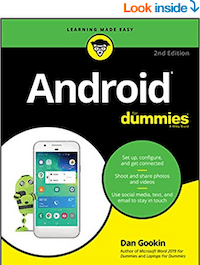
Android for Dummies
Your comprehensive reference guide to Android phones. This book covers all basics of android phones for seniors and beginners including:
- Setup, configure and get connected
- Shooting and sharing photos and videos on your android phone
- Using email and social media on your smartphone
- Customizing your android phones
- Exploring Google Play and apps
Best-selling author Dan Gookin puts in touch with all android features that you need to know, cutting through the jargon. Starting from setting up an android phone to major features such as text, internet, maps, navigation and photos. You will learn all about communicating and use of social media through your android phone.
2. Android Smartphone For Seniors
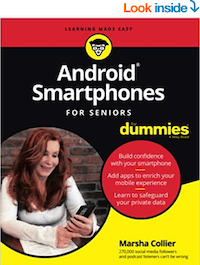
Android Smartphones for seniors
This book is your friendly guide to the essentials of operating an android phone with larger print and color images. The book walks you through steps to turn your smartphone into a communication, photography and media powerhouse.
- Navigate the features of your smartphone
- Explore the best android apps for your phone
- Email, text, contacts tutorials
- Shoot professional-quality photos and videos
- Security and safety settings in your smartphone
You can pick a few tricks and tips and show to your friends and family which they probably have never used in an android phone before.
3. Seniors Guide to iPhone
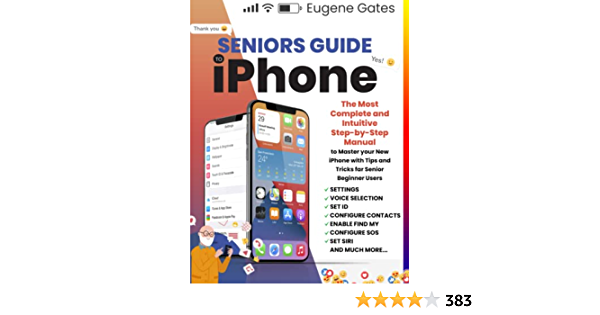
Seniors Guide to iPhone
The number 1 best seller book with step-by-step guide specifically for seniors who want to learn to use their new iPhone to the fullest.
- A complete introduction about your iPhone with all main functions explained
- How to configure basic settings on your iPhone including WiFi and face ID etc
- Use apps like Facebook, Instagram and WhatsApp to get connected
- Setup emergency SOS calls and medical ID to constantly check your health
This is one of the best guides for senior iPhone owners with tips and tricks for beginners.
Smartphone tutorials for seniors
- Smart Phone Basics for Seniors: This website has step-by-step tutorials and guides for seniors who are just starting with their smartphones (Android or iPhone) explaining each function and app with photos and complete details.
- Udemy Smartphone Course for Seniors: Udemy has a free total beginner’s guide on how to use an android smartphone for seniors. The course will teach you to use the common functions and features of your android phones. It covers A to Z of android phones for seniors.
- Android Basics with GCF: A detailed android tutorial to get started with your android smartphone and keep it running smoothly. Each step is clearly explained with the help of images.
Using smartphones bring many benefits and advantages for older adults and senior smartphone users are growing at a rapid pace. There are many apps, games and how-to guides for seniors to help them start with their smartphones, as discussed above.
5 Frequently Asked Questions
Why do old people struggle with smartphones?
Most of the latest smartphones are not senior-friendly with small font sizes, controls and buttons. Seniors cannot keep up with the changes that come with each software and smartphone update and find it difficult to operate complex user interfaces on a small size screen.
How to simplify a smartphone for seniors?
Some steps to make a smartphone senior-friendly
- Activate the “Easy Mode”
- Improve readability and increase the app icons size
- Change the screen background to a blank image
- Declutter the Home Screen and the Dock areas
- Uninstall unwanted apps or move them to a separate folder
How do I teach my grandparents to use a smartphone?
Teach your grandparents to use a smartphone by
- Highlighting the benefits of smartphones for seniors
- Set up and simplify the smartphone for them
- Teach passionately, avoid jargon
- Add some fun apps and games
- Show them how most-used apps work
- Celebrate small achievements
Is android or apple better for seniors?
Apple’s iPhone runs iOS which is easy to use operating system with accessibility features to allow text magnification, voice dictation and other seniors-friendly options like hearing aid compatibility. A great selection of seniors-friendly and high-quality apps make the iPhone a better option for seniors.
What motivates older adults to learn to use mobile phones?
Some of the motivating factors for seniors to learn using a smartphone include
- Explain the benefits of smartphones
- Show them how to Keep in touch with family and friends using smartphones
- Get them an easy-to-use and simple smartphone
- Address the safety and security concerns